
Across the UK, more than 633,000 people are living with Epilepsy, with almost 29,000 new diagnoses every year. Yet, despite affecting around one in every 100 people, many still think Epilepsy is simply about having a seizure.
To mark World Brain Day on July 22nd, Dr Abteen Mostofi, Neurosurgeon at St George’s Hospital in London, is encouraging people to understand better what Epilepsy really is – a neurological condition caused by disrupted electrical activity in the brain.
“Many people think Epilepsy begins and ends with a seizure, but that’s only part of the story. Every seizure starts in the brain when normal electrical signals become disrupted. Depending on which part of the brain is affected, Epilepsy can temporarily interfere with memory, speech, movement, emotions, awareness or concentration.
That’s why Epilepsy is such a personal condition. Two people can have Epilepsy but experience it in completely different ways because different areas of the brain are involved.”
While around seven in ten people achieve good seizure control with medication, around one in three continue to experience uncontrolled seizures or medication side effects that affect quality of life.
Dr Mostofi says treatment is about much more than medication alone. “Taking medication correctly remains the cornerstone of epilepsy treatment, but protecting your brain through good sleep, recognising personal triggers, managing stress and seeking specialist advice if seizures continue can make a significant difference. The earlier we intervene when treatment isn’t working, the more treatment options may be available.”
Dr Mostofi suggested these top five ways people with Epilepsy can help reduce seizure risk –
- Take antiseizure medication exactly as prescribed. NHS guidance says not to miss doses or change epilepsy treatment without medical advice, and NICE identifies non-adherence to medication as a modifiable risk factor for epilepsy-related death and SUDEP.
- Protect sleep and manage stress. NHS and charity guidance both list tiredness and stress as common seizure triggers, and Epilepsy Action advises people to establish a good sleep routine and reduce stress where possible.
- Track personal triggers and be careful with alcohol. NHS advice recommends keeping a seizure diary to help identify triggers such as tiredness, stress, periods, flashing lights, and food or drink. It also says not to drink too much alcohol, because alcohol can raise seizure risk and also contribute to missed medication and poor sleep.
- Use screen and light precautions only if photosensitivity is part of the picture. Only around 3% to 5% of people with Epilepsy have photosensitive Epilepsy, so “reduce screen time” is not a universal rule for everyone with Epilepsy. For people who are photosensitive, Epilepsy Action and Epilepsy Society advise practical steps such as avoiding flashing or flickering content, using a high-refresh-rate flat-screen, considering a smaller screen, and using filters or glare reduction.
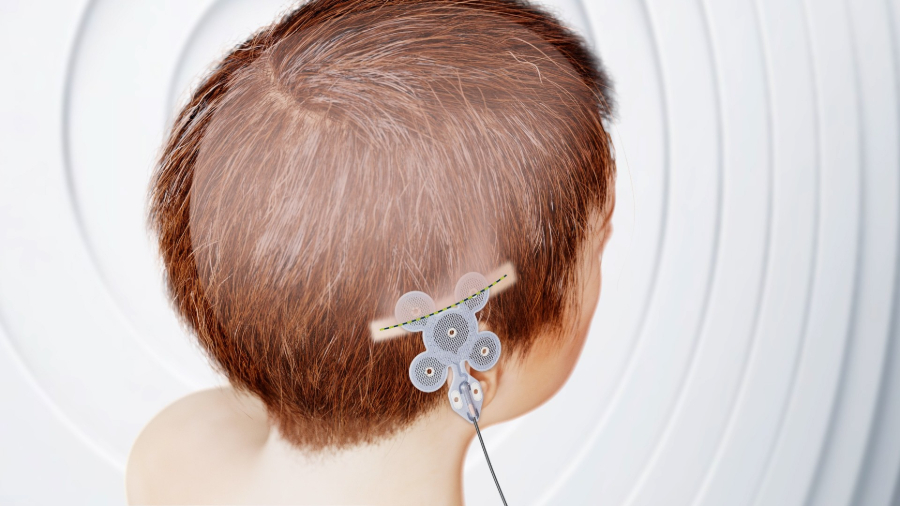
If seizures continue after treatment attempts, ask early about specialist options rather than just “putting up with it.” NICE says people whose seizures are drug-resistant or whose side effects are intolerable should be referred for assessment to a tertiary epilepsy service within four weeks. Specialist treatment options may include ketogenic diet, resective epilepsy surgery, or neurostimulation like EASEE device if resective surgery is not an option”
- Speak to your health professional about accessing the latest innovative med-tech available on the NHS, including Precisis’ EASEE device.
Dr Mostofi continued, “Epilepsy can affect far more than physical seizures. It can influence education, employment, driving, relationships, confidence and mental wellbeing. New advances in brain imaging, minimally invasive surgery and neurostimulation are creating more personalised treatment options than ever before, giving fresh hope to people living with drug-resistant Epilepsy.”